Society & Social Sciences
Specialist Preparation Program in Criminology and Community Prevention
Learn to analyze a recurring community safety problem, design a feasible prevention response, and evaluate it within a specialist role.
Free professional diagnostic
Ten questions drawn at random from the question banks of the published Society & Social Sciences programs. The score is computed on our servers only, and the correct answers are not shown so the diagnostic stays valid for you and others.
You have 45 minutes. We do not ask for your name or e-mail. If you are signed in, the result is saved to your account.
Society & Social Sciences
Learn to analyze a recurring community safety problem, design a feasible prevention response, and evaluate it within a specialist role.
Society & Social Sciences
Learn to diagnose social protection gaps, weigh evidence and alternatives, and write conditional, implementable recommendations within an advisory role.
Society & Social Sciences
A practical foundation in population data: define who is counted and when, calculate structure and change, build a short conditional scenario, and turn a bounded finding into a reviewable service decision.
Society & Social Sciences
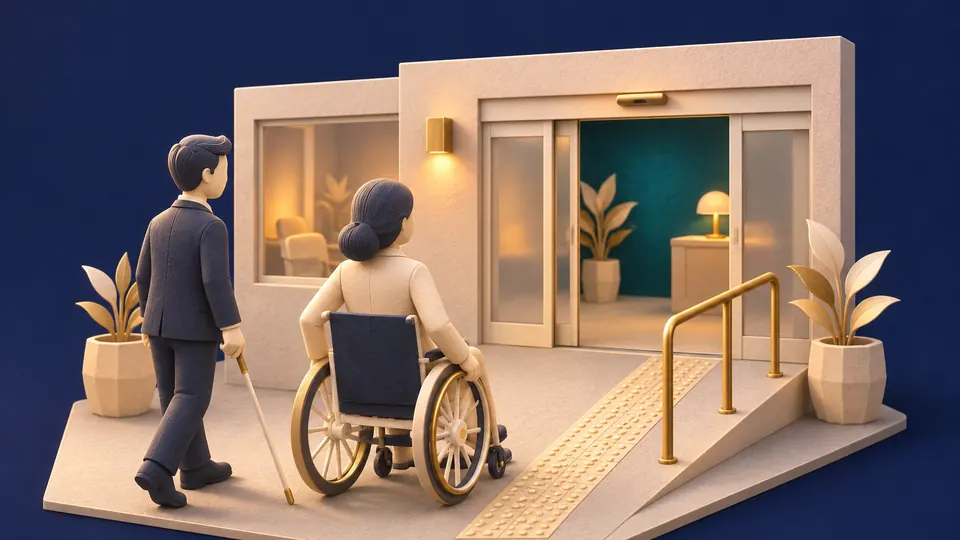
An applied introduction to disability and inclusion studies across rights, access, education, work and participatory inquiry. Learners identify barriers in a service journey, compare responses and test outcomes without reducing a person to a diagnosis.
Society & Social Sciences
Design responsible applied social research and impact evaluation, from the decision question and theory of change to comparison, measurement, analysis and reporting.
Yes, the diagnostic is entirely free and needs no account. If you are signed in, your result is saved to your account and appears in your achievement report.
From the knowledge-check question banks of the published ARPS programs in the area you choose, drawn at random for each attempt. Final-assessment questions are never used.
No. The diagnostic is a guidance tool to set your level and choose programs, not a certificate or an accredited assessment.
The diagnostic is a guidance tool, not a certificate or an accredited assessment, and does not replace a program’s final assessment.